The construction industry is increasingly under pressure to become more sustainable. By using Metsec Decarb the steel and offsite sector can enter a new era of low carbon design.
There is no escaping the fact that the construction industry is responsible for a significant proportion of global greenhouse emissions and the pressures to change are enormous – particularly from government, but also from local planning regulations, public bodies and the industry itself, with designers, clients and developers seeking to minimise a project’s carbon emissions and environmental impact.
Deciding whether to adopt such processes may not be entirely voluntary either, as central government and local authorities are already putting policies in place to encourage a greener approach to all areas of their operations, a trend which seems likely to continue in the future.
Together with other environmental initiatives, such as the London Plan 2021, which requires medium- and large-scale construction projects in London to have an Environmental Product Declaration (EPD) and carbon footprint statements as part of the planning application, these policies place increased pressure on architects to design buildings which can be constructed using sustainable materials and methods.
Consequently, everyone in the supply chain is placed under increasing scrutiny, from the materials manufacturer to contractors, installers and sub-contractors. Every process will have an impact on the environment in some way and have implications for the carbon footprint of the project. The challenge is to make these processes carbon neutral.
Material challenges
When it comes to materials, the challenges are considerable; the major building materials used today, and likely to be used for centuries to come, all have some impact on the carbon content of a building project. This is true of concrete, bricks, steel, plastics and timber.
The carbon content can be from a variety of sources: The natural material’s intrinsic carbon content, the processes used to extract the materials, their conversion into usable raw materials, conversion/production processes and all the supporting functions that contribute towards a product being used, from sales and administration to storage and transportation.
There is also the question of whether this carbon remains embodied within the material after the life of the building, such as when metals are recovered, recycled and/or repurposed, or released into the environment – for example, where timber cannot be re-used and might be burned.
Steel yourself
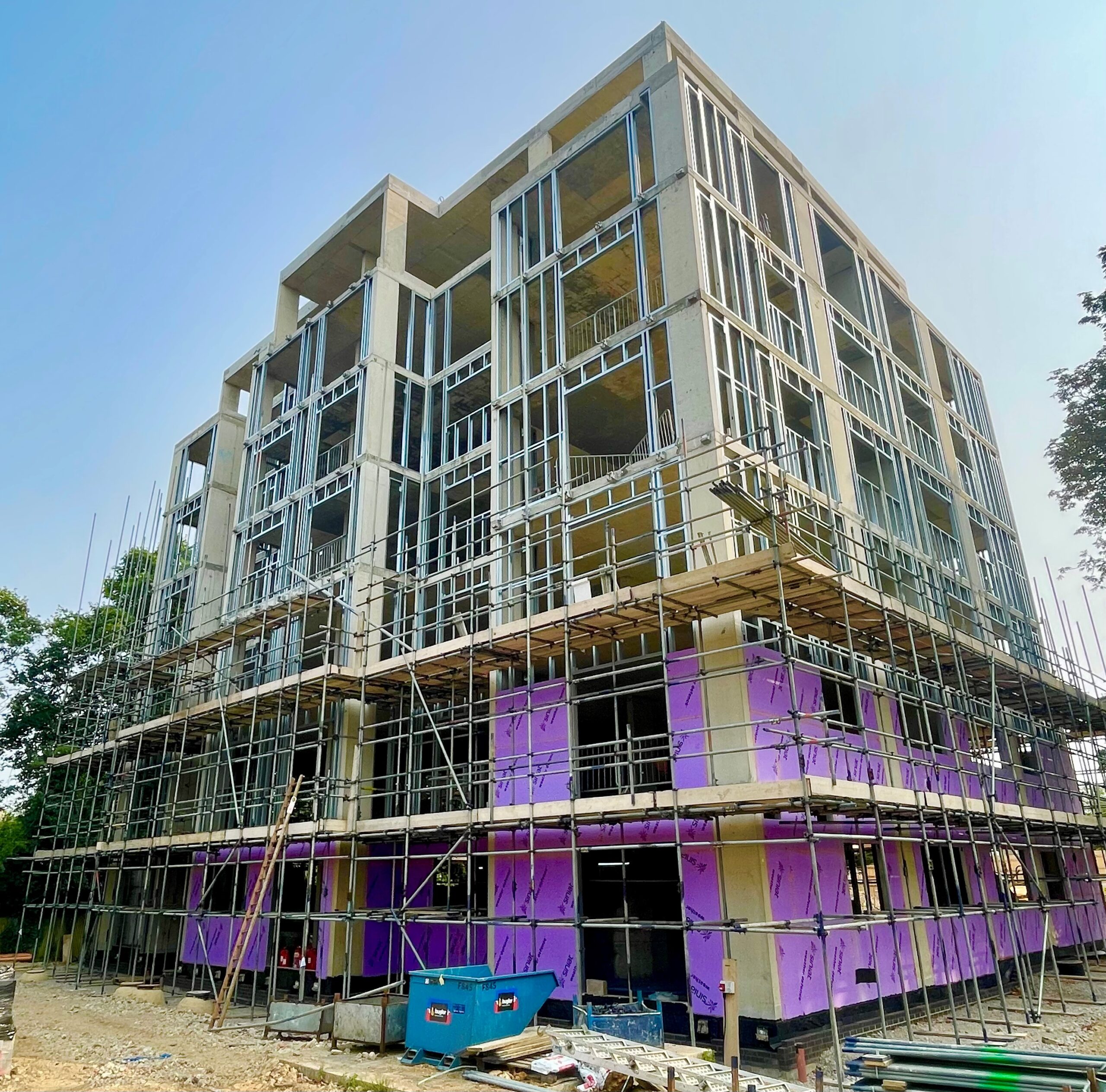
Any connection between steel and sustainability might not be immediately obvious to many, but its credentials make a compelling case for its use in construction, with light gauge steel framing systems, such as Metsec SFS and Metframe, delivering additional benefits. These include:
- Steel is easily recoverable and is 100% recyclable – SFS has a reuse and recovery rate of 85%, compared to just 13% for timber
- Reduction in a structure’s embodied carbon by using less steel
- Accurate design and manufacturing processes result in virtually zero waste
- SFS is a lighter material, reducing the environmental impact of transportation.
There is no escaping the fact that steel manufacture is one of the largest global contributors to CO2 emissions, but European steel manufacturers are making great strides to move away from fossil-fuelled processing by using less carbon-intensive electric arc furnaces which are powered by renewable energy to create a reduced carbon steel.
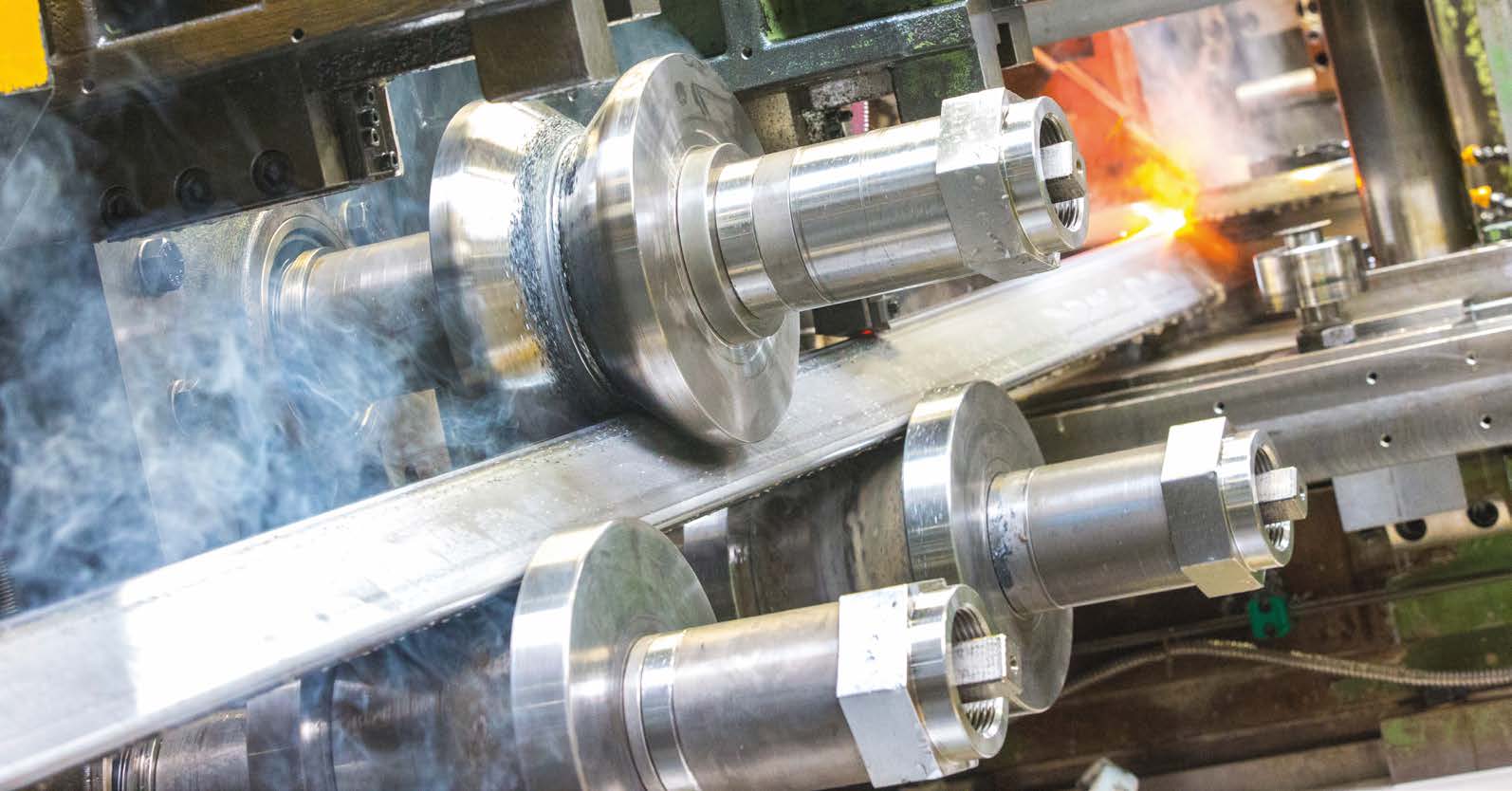
Metsec Decarb is a prime example of this drive towards reduced carbon steel. Available for Metsec SFS, Metframe, internal non-loadbearing dry lining studs and purlins, Metsec Decarb is a true move towards a reduced carbon future for the construction industry. It does not rely on the smokescreens of green washing, mass balance, carbon offsetting or the allocation of green energy for its environmental credentials but stands by its own impressive outputs; compared to blast furnace manufactured steel.
When used for Metsec Framing and Purlins products, Metsec Decarb achieves a reduction in CO2 emissions of 54.7%, whilst in Metsec Dry Lining products the reduction is 65.35%. In each case, Metsec Decarb contains less than half the amount of carbon dioxide per tonne for the same quality of steel (accurate in July 2024). The reductions in CO2 achievable with Metsec Decarb can be balanced against the 30-year London Plan offset charges or to help achieve other, ever-increasing sustainability targets.
Society aims
The carbon within the material itself makes a significant impact on the carbon content of the building. However, as mentioned, there are many additional inputs which can contribute towards the environmental impact of the building and the materials used in it – the processes used in manufacturing, administration, storage and distribution. There seems little point in a building materials/systems manufacturer offering a reduced carbon product if the same manufacturer is not committed to reducing the carbon dioxide emissions of its own operations.
Net zero carbon forms part of the government’s procurement policy, with the Cabinet Office’s Action Note PPN06/21 stipulating how government departments need to take account of suppliers’ Net Zero Carbon Reduction Plans when procuring for major government contracts. Whilst governments at home and abroad may be wavering on their commitment to achieving net carbon zero emissions by 2050, there can be little doubt that the objective will remain an integral part of policy in the future, even if the deadline is extended.
Manufacturers and suppliers will still need to look at ways in which they can reduce their carbon emissions. As part of voestalpine AG, Metsec remains committed to achieving net zero carbon emissions by 2035, investing in new systems and equipment to reduce carbon emissions throughout its operations. Achieving this industry-leading target requires a focused effort within Metsec together with the co-operation of suppliers and others in the value chain. This includes investigating areas where we can save energy and optimise processes as well as exploring ways to source green electricity, or even generate our own renewable energy.
Moving our electricity requirements to 100% renewable sources has resulted in a 67% reduction in our carbon footprint and by the end of this Summer we will have installed enough solar PV panels to generate 48% of our total electricity requirements. Further measures aimed at reducing our impact on the environment include a host of energy-saving schemes throughout our facilities, replacing company cars with hybrid and electric vehicles, installing charging points across our site, switching forklift trucks from gas to electric and reducing overall gas consumption.
Carbon guarantee
As with most things in life, achieving a desired result – for example constructing a net zero carbon building – will rely on striking a balance between the ideal and the achievable. Faced with a design brief to minimise a building’s carbon footprint, steel might not be the first building material which comes to an architect’s mind. But, on closer inspection, steel, and reduced carbon steel in particular, offers a viable solution when all factors are considered, especially when used in the manufacture of efficient construction solutions. Specifiers can take added assurance of product/system credentials from manufacturer statements and EPDs which can be included in the final project’s carbon assessments.
For more information visit: www.voestalpine.com/metsec
Source: Offsite Magazine – Issue 44