Eleven contracts have been signed to deliver new hospitals across England.
The agreements bring together NHS trusts and leading construction firms to deliver 11 projects through a new collaborative model aimed at making the construction of modern hospitals more efficient.
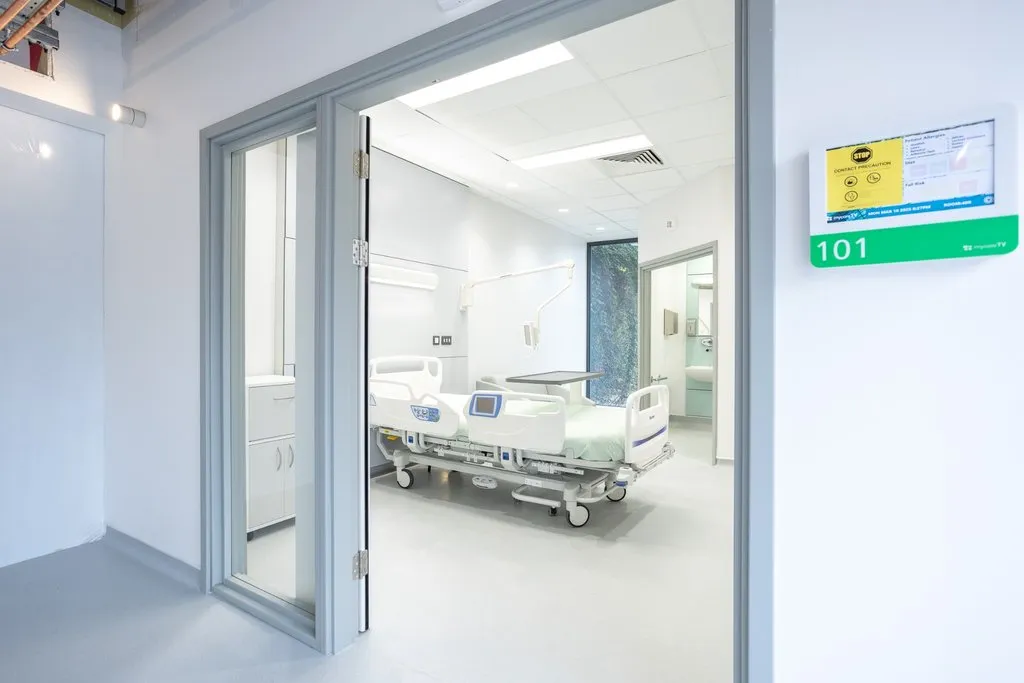
The partnerships will support the rollout of Hospital 2.0, the New Hospital Programme’s standardised approach to designing, constructing and operating new hospitals.
By combining national standards, digital innovation and modern methods of construction, Hospital 2.0 is designed to improve quality and productivity while creating healthcare environments that are safer, more sustainable and prepared for future needs.
Karin Smyth, Minister of State for Health, said: “For too long, the construction of new hospitals has been bogged down by bureaucratic procurement processes, even after full approval and funding was in place, and we’re determined to change that.
“The changes announced today are a major step forward in streamlining the procurement process. Patients can look forward to new hospitals being delivered quicker, industry can plan with certainty, and taxpayers can be assured that we are getting maximum value for their money.
“With stronger collaboration, shared learning and a boost for jobs, this further demonstrates this government’s commitment to the New Hospital Programme, providing world-class facilities for the NHS, and helping the economy in the process.”
Natalie Forrest, Chief Programme Officer for the New Hospital Programme, added: “The Hospital 2.0 Alliance marks an important milestone for the New Hospital Programme and a new way of delivering major public infrastructure.
“By bringing together NHS organisations and industry as genuine partners, we’re creating a model that combines national consistency with local leadership. Together, we’ll deliver hospitals that are safer, more sustainable and designed to meet the needs of patients and staff for generations to come.”
Instead of treating each hospital as an individual project, the new approach allows organisations to share expertise, adopt consistent standards and continually improve delivery across multiple schemes.